Triangle-box Design
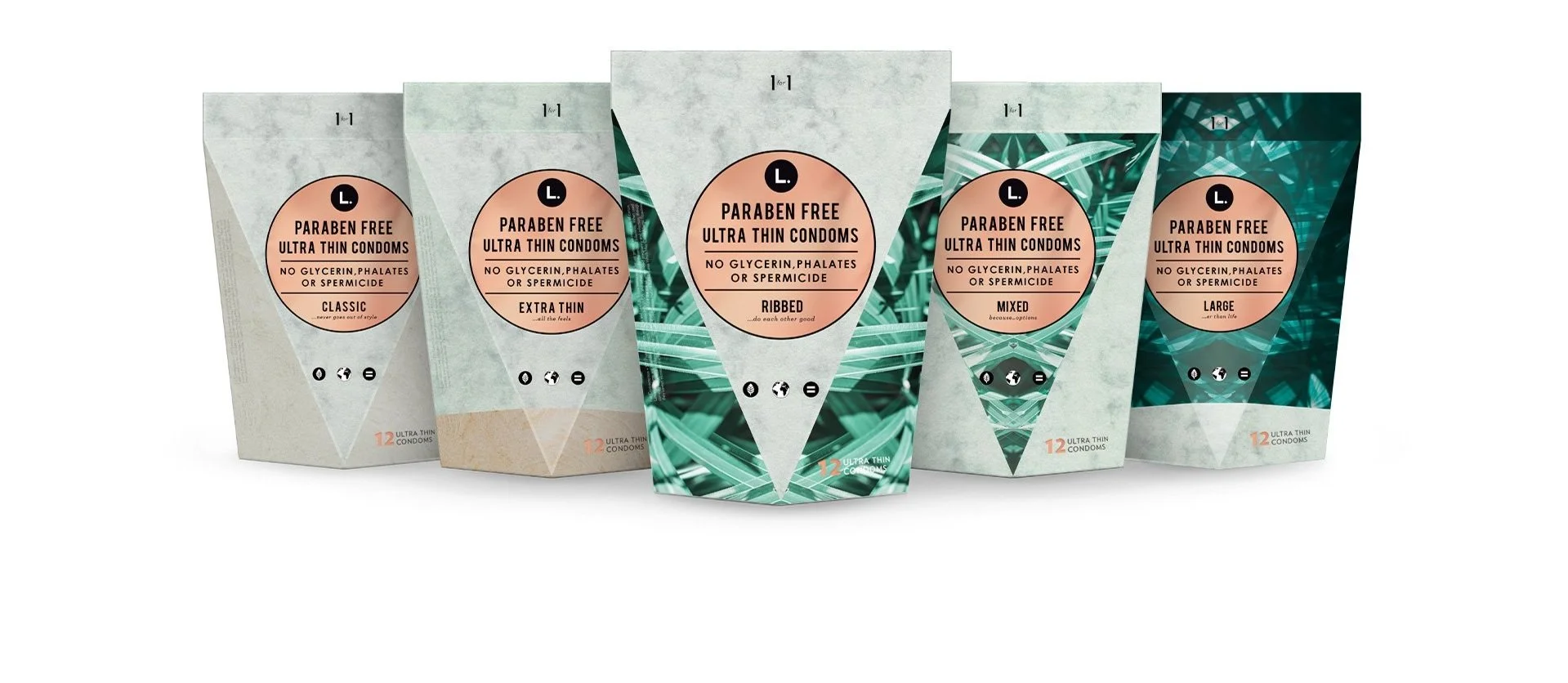
Project Overview
L. inc is an organic personal care brand of Procter & Gamble. It is targeting a younger, socially conscious demographic.
Project Type
Box Package Design
Duration
4 Months (Dec. 2018 - March. 2019)
My role
Design Lead
Teammate
Copy writer, CEO & Founder, package manufacturer.
My Design Process - From Conceptualization to Package Launch.
Conceptualization: Define the design goal, align it with the team's vision, and conduct market research to differentiate it from competitors.
Design Exploration: Create initial renderings, and refine designs based on feedback and iteration.
Development: Create dieline designs, select colors, and print techniques.
Finalize Design & Prototype: Finalize design, create paper prototypes, and obtain stakeholder approval before handing them off to the manufacturer.
Proof Checking & Sign-off: Review design for accuracy and completeness and obtain sign-off from relevant parties.
Launch: Oversee the production process, and launch package, evaluate performance, and identify improvement opportunities through post-launch analysis.
1. Conceptualization
Define the design goal and align it with the team's objectives and vision. Conduct market research and analyze competitors to identify opportunities for differentiation. The objective is to create innovative packaging solutions that are consistent with the brand image, appeal to consumers, and optimize profits by disrupting the market.
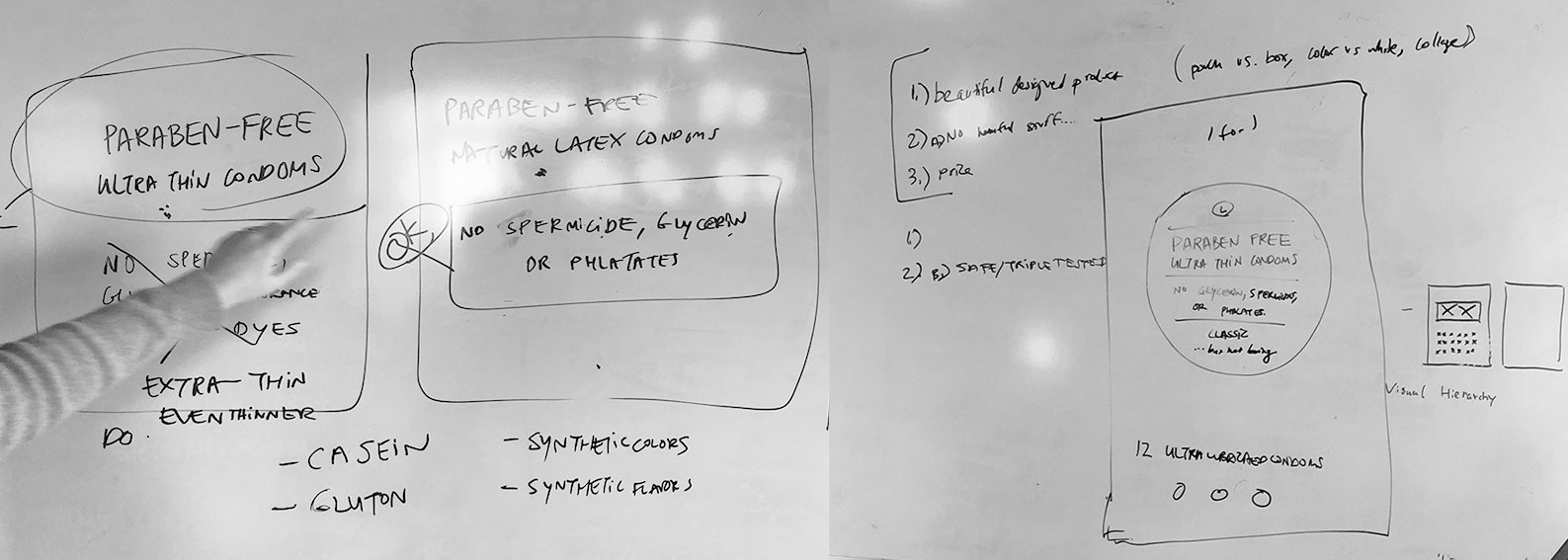
⬆ As an 8-person startup where everyone wears multiple hats, the hand-drawn sketches were actually created by the founder/CEO Talia and the chief of staff Caroline, both of whom also happen to be copywriters. 2. Design Exploration
Create initial renderings, select the most promising options, and develop the first round of paper prototypes. Evaluate and refine the designs based on feedback and iteration.
During the period of December 2018 to March 2019, I experimented with various packaging designs such as tubes, pouches, and rectangular boxes before ultimately settling on the "triangle box." My objective was to create a package that visually communicated a sense of disruption, boldness, athleticism, and energy, and I believed that the unique shape of the triangle box achieved this goal.
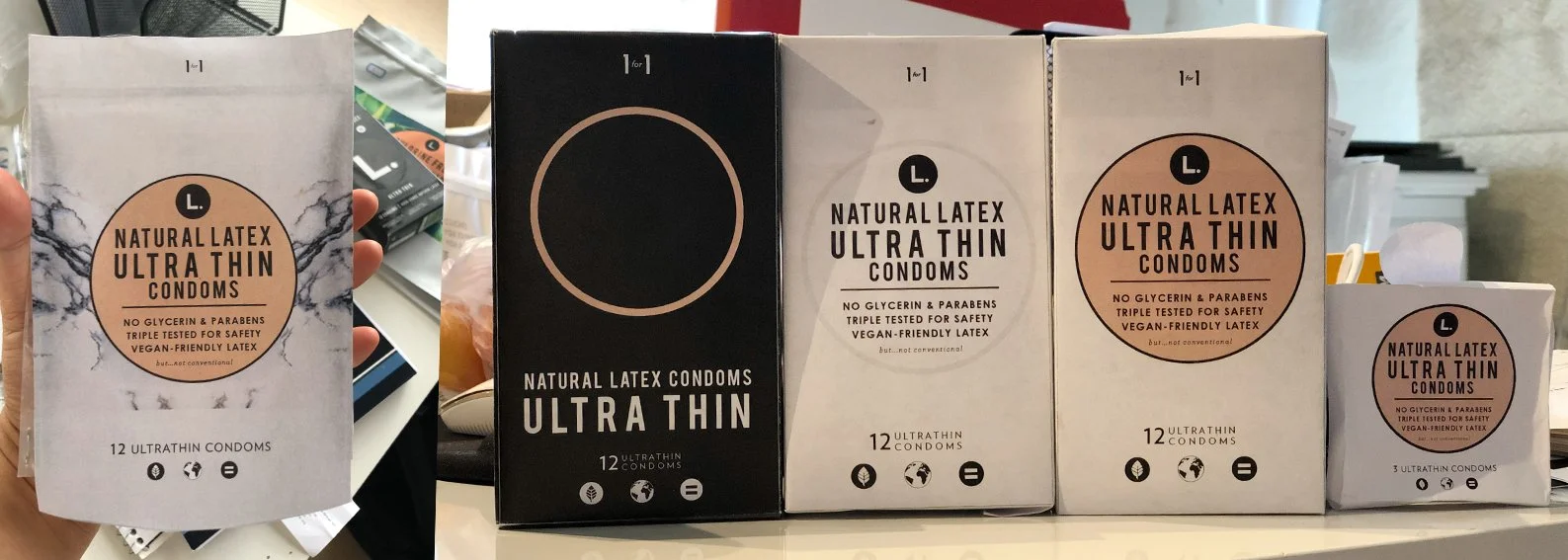
⬆ My task involved developing paper prototypes, specifically pouches and rectangular boxes, by carefully selecting the most promising options from the initial renderings.The feedbacks and iterations
The feedback that I got from my boss was "not a big fan and not married to these options." Then, I started trying the direction of unique shapes, like triangle boxes, as we continued exploring "bold," "innovative," and "disruptive" ideas.
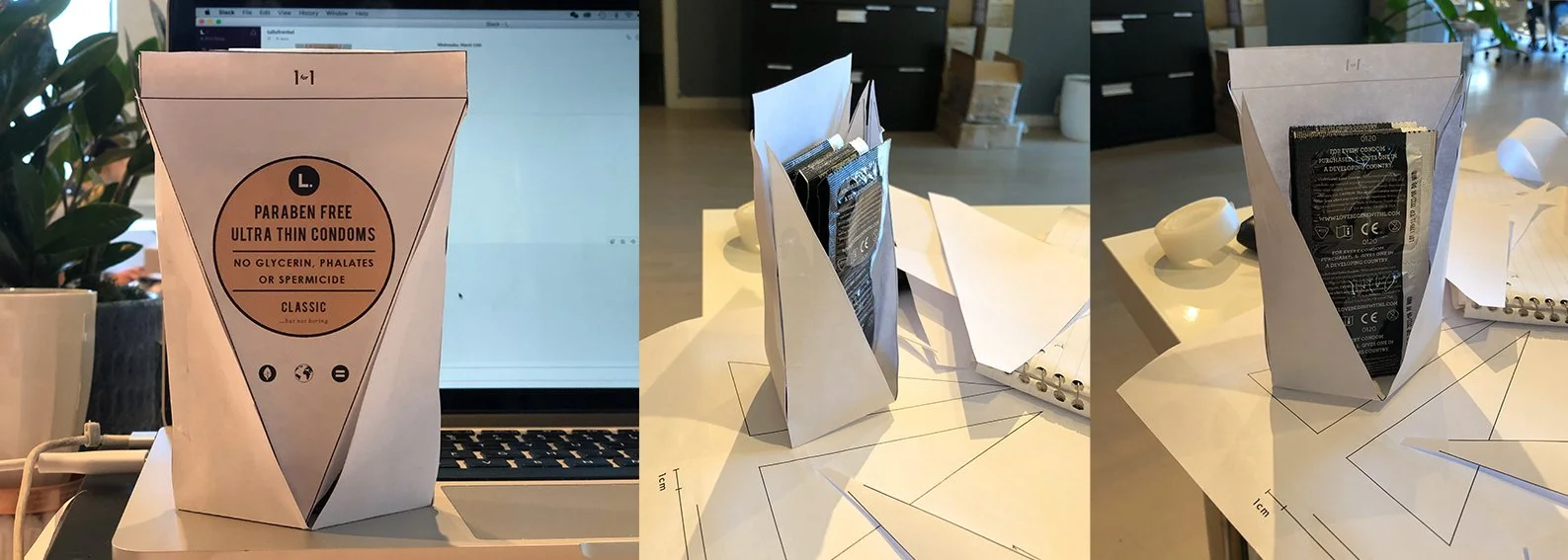
I was building a rough dieline and prototype on my desk in the office. ⬆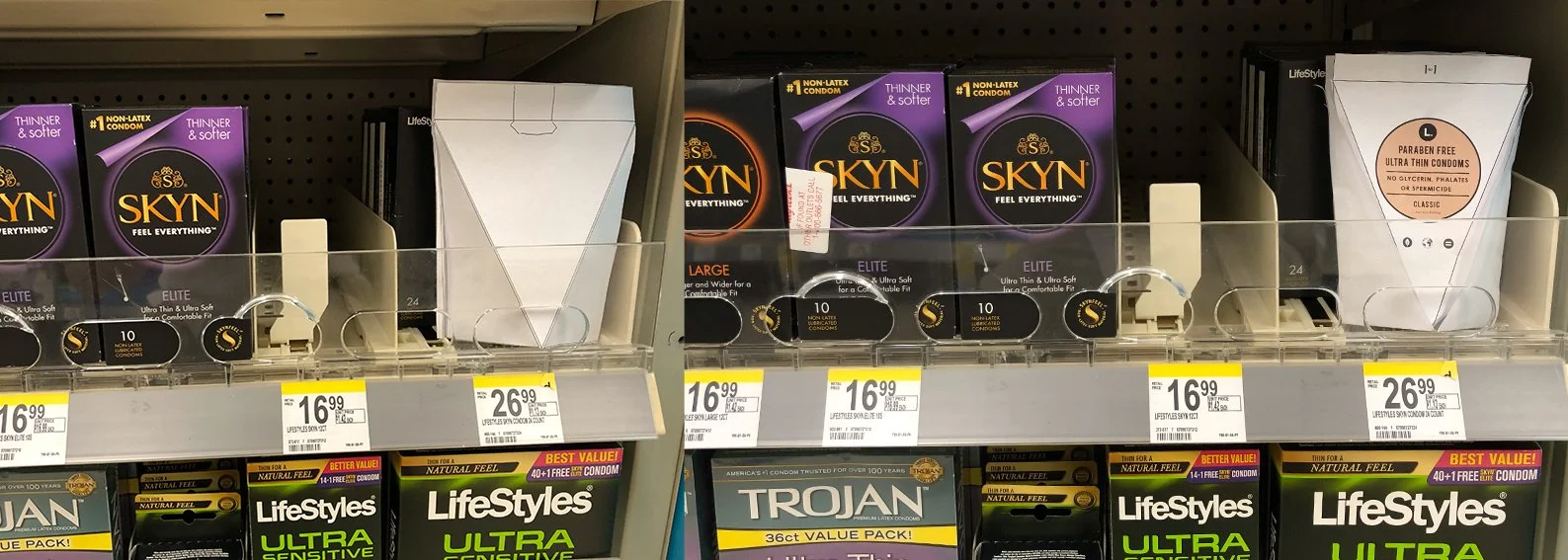
Testing package size in shelf. ⬆3. Development - Dieline Design
Based on the final design selection, create dieline designs, select PMS colors, and explore special printing techniques such as embossing, hot stamping, and spot varnishing.
4. Final Paper Prototype
Create a paper prototype of the product to test usability and identify potential issues before final production.
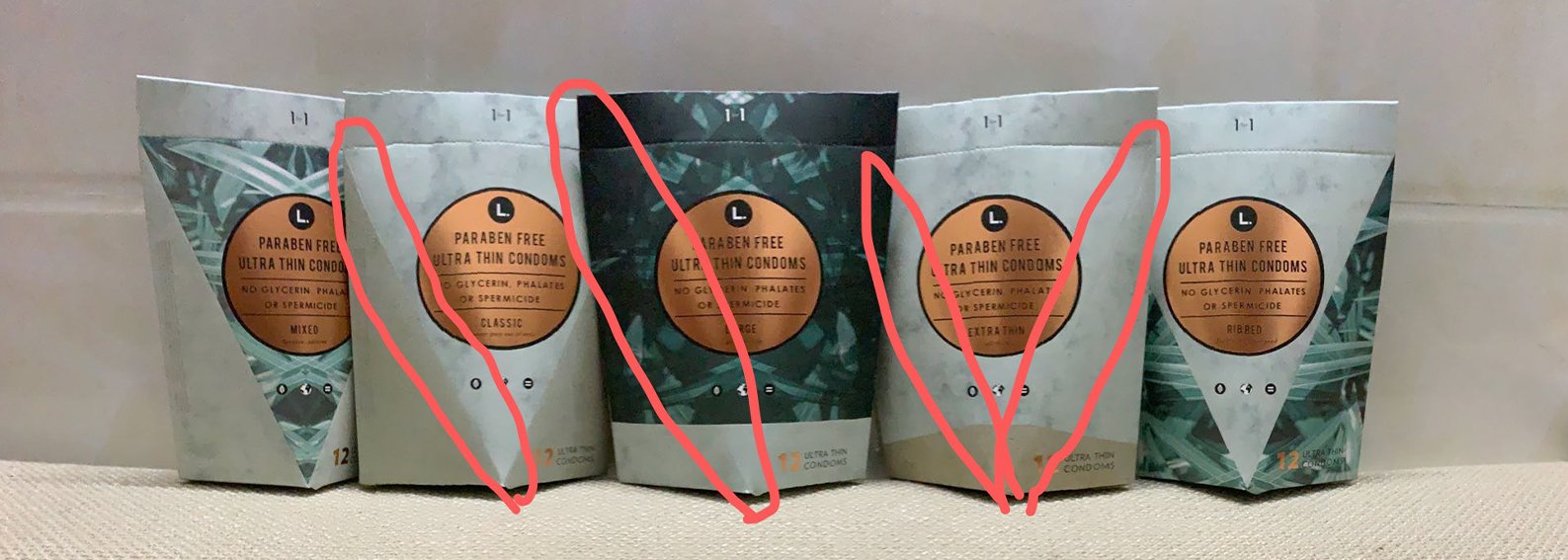
Got the first round of samples, and the triangle shapes are getting there, I marked the areas that need to change for the manufacturer. ⬆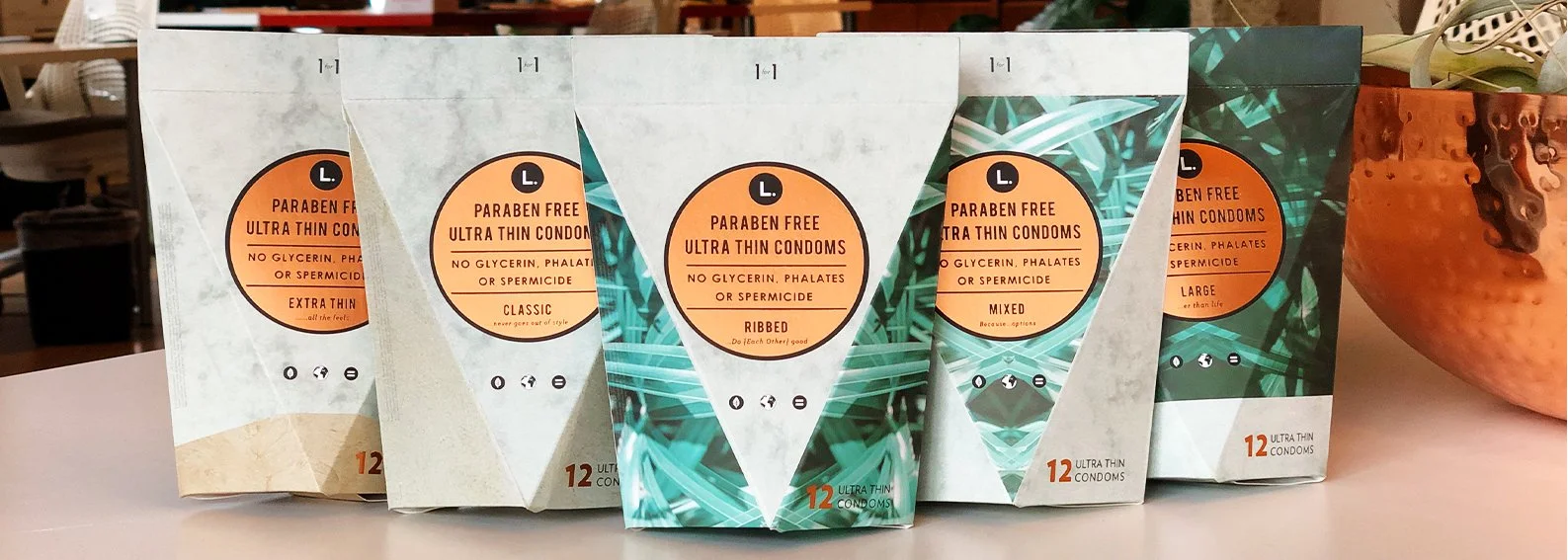
The final round of samples from the manufactures. ⬆5. Proof Checking and Sign-off
Conduct rigorous proof checking to ensure the product meets design and quality standards, then sign off on the final proof for production.
At the end
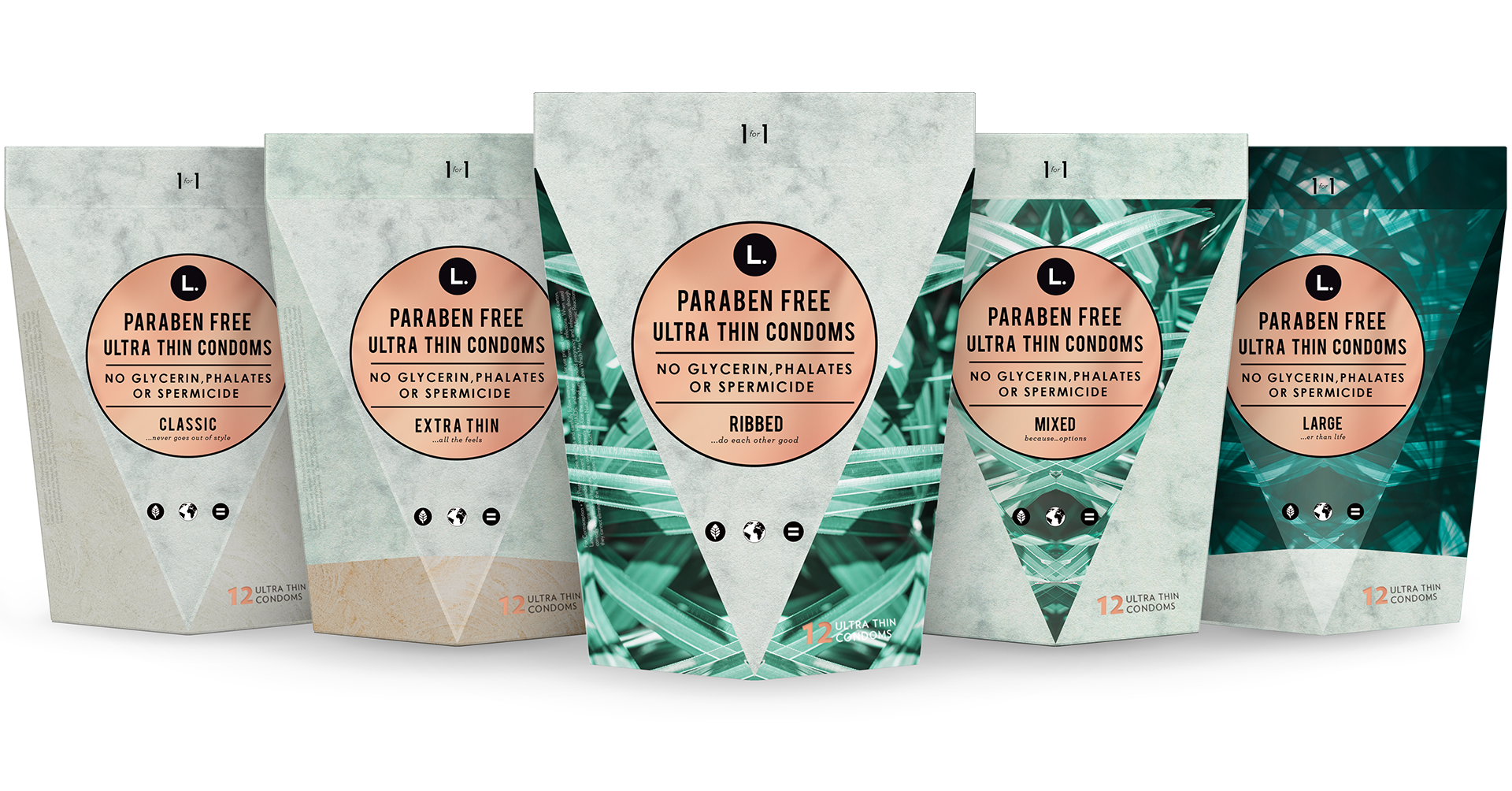
To illustrate the evolution of the design, I created five different packaging prototypes that showcased a dynamic shift from left to right, using varying shades of green colors. If you are interested in learning more about my design process and approach, please feel free to contact me at richdwang@gmail.com.
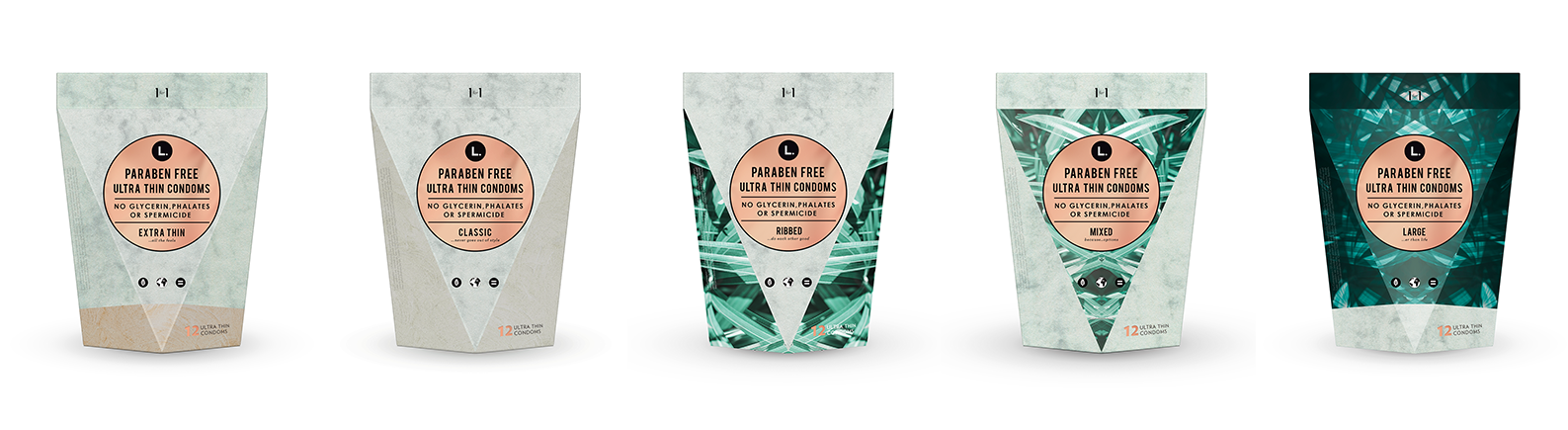
From left to right: Ultra Thin to Large. ⬆